The Tutor Purge That No One Asked For
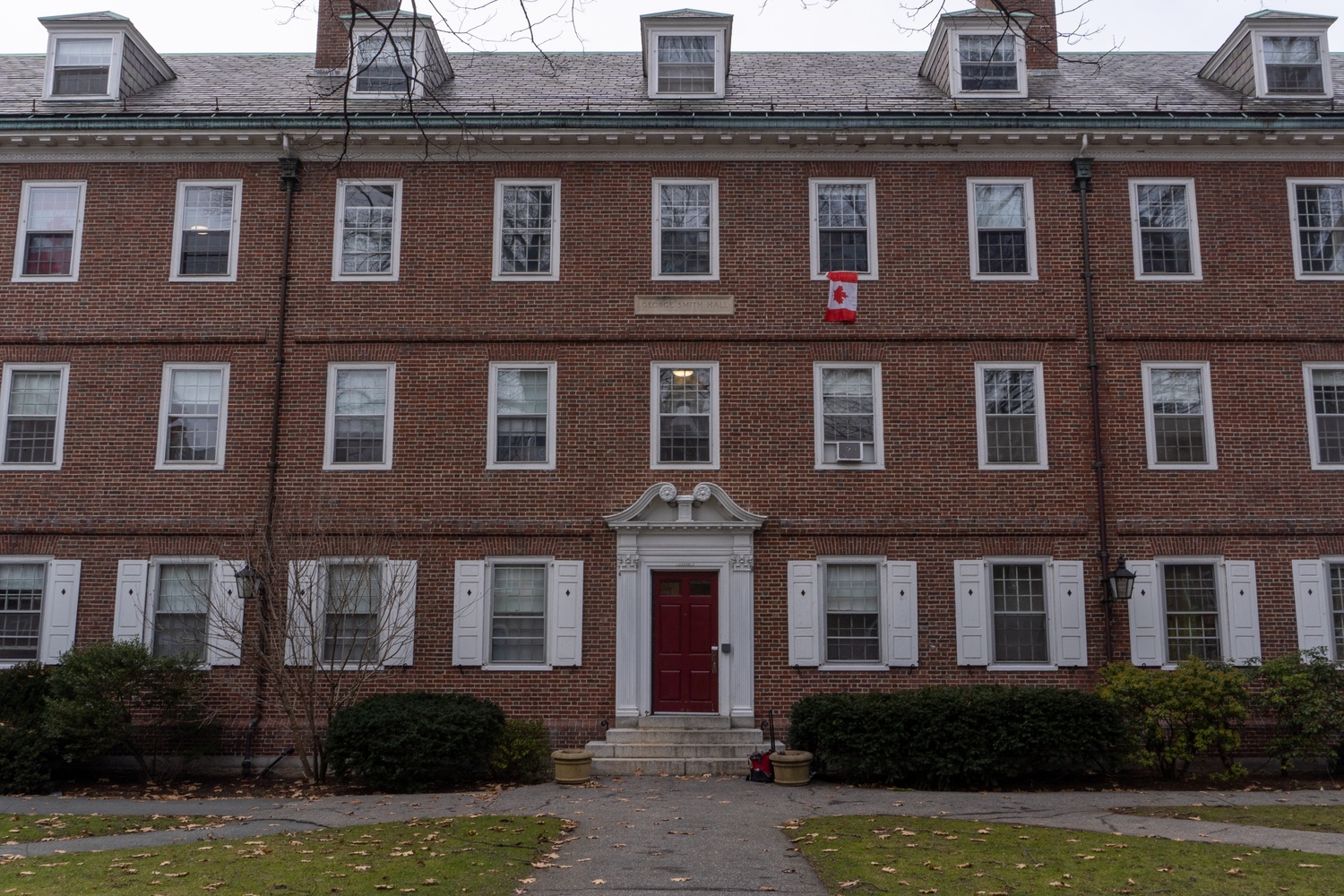
Nothing says “student support” like forcing veteran staff out on deadline.
Buried in Harvard’s rulebook is an ancient proviso, now back from the dead: Resident tutors must be directly affiliated with the University. In recent years, the policy wasn’t strictly enforced by any measure; today, more than 30 tutors across the Houses are non-affiliates. Yet, under an abrupt new directive from College administrators, unaffiliated tutors must somehow gain Harvard affiliation by the end of the next academic year or vacate their positions.
The directive is a bad policy for student needs, made worse by timing.
For starters, it’s just way too quick. Countless experienced tutors will be forced to leave within a year. The sudden transition to an affiliate-only tutor body will cause disruptive turnover, too much, too fast.
And after the year is up, the new limit on tutorship means more turnover overall — every single tutor will be required to leave once they graduate, no exceptions granted.
Yet, longer term resident tutors, by nature, gain deep institutional knowledge that a new hire cannot just pick up on in a year or two. Many non-affiliate tutors have a wealth of experience, not only in guiding students through the woes of graduate schools and programs, but navigating scholarship and fellowship opportunities. Harvard students will abruptly lose stable sources of advice and community.
That’s not to say that no restrictions at all on House resident tutors are appropriate; some requirement of Harvard affiliation at some point in the tutor’s past could be desirable to keep the system cogent. Where necessary, Houses can exercise their own discretion — as they have done in the past.
So beneficial are our non-affiliate resident tutors, that Harvard long seems to have agreed — the Dean of Students Office has frequently provided permission to faculty deans to allow unaffiliated tutors to work in their Houses in years past.
Precedent aside, the College benefits from having tutors who come from beyond the University. Students often live their lives out of touch and insulated within a mile of campus — the so-called “Harvard bubble.”
Many of our non-affiliate resident tutors help burst that bubble as we spend time with them, helping us gain perspective on life outside of college. We should welcome the breadth of unique, real-world experiences non-affiliated tutors offer.
Such experiences are particularly needed for the future doctors among us: Many premedical advising teams include doctors employed at nearby hospitals who, under the new policy, will not be able to remain tutors which share the rich information they’ve accrued from medical school and residency.
If quality control is Harvard’s concern, there are other, more effective places to begin, namely, through formal evaluation. The residential life survey students take at the end of the semester is on the right track, but still, it’s not clear the data is collected the best it could.
Harvard must measure the success of its tutors concretely and efficiently — whether that’s in how welcome they make students feel, or how effectively they advise students on their paths to law school. Harvard and its student body both want the same thing: qualified, constructive resident tutors.
By forcing tutors to be Harvard-affiliated, the administration is restricting the position to an increasingly select pool of candidates; as a result, Harvard will lose out on more and more top candidates.
So when the administration does ask for the student body’s opinions, it’s important the administration takes them seriously. If prioritizing the Harvard community is truly the goal, Harvard could do a little more listening.
Student support is built by effective mentorship — not affiliation checkboxes.
This staff editorial solely represents the majority view of The Crimson Editorial Board. It is the product of discussions at regular Editorial Board meetings. In order to ensure the impartiality of our journalism, Crimson editors who choose to opine and vote at these meetings are not involved in the reporting of articles on similar topics.
Have a suggestion, question, or concern for The Crimson Editorial Board? Click here.
Want to keep up with breaking news? Subscribe to our email newsletter
Have a tip for The Crimson? Share it confidentially