Transit, Stability Take Top Priority in Gov. Healey’s Proposed FY27 Budget
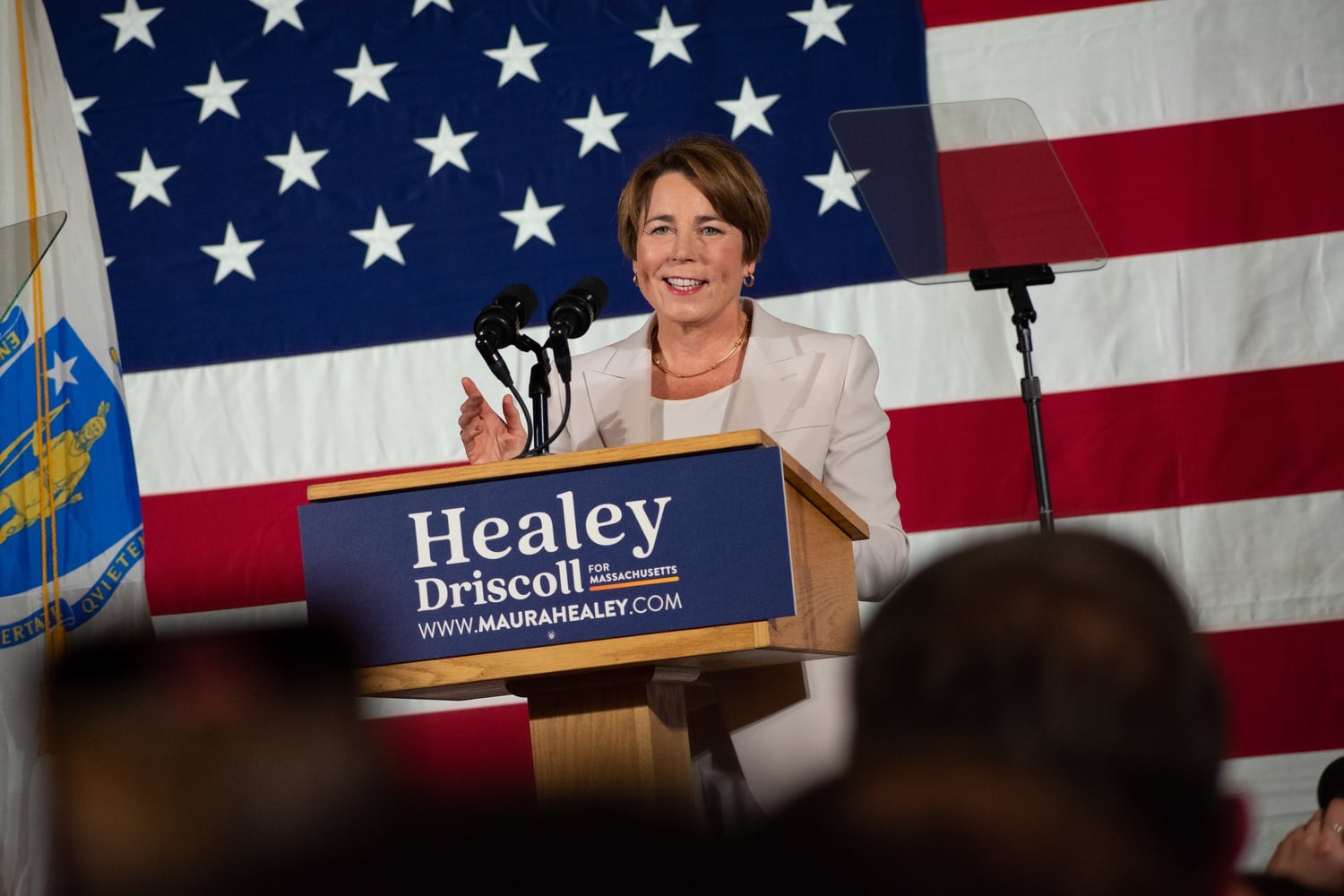
Cambridge could receive more than $50 million in state funds in fiscal year 2027 as Massachusetts Gov. Maura T. Healey '92 leans on income surtax revenue to shore up local aid and bail out a cash-strapped public transit system.
Healey proposed a total budget of $62.8 billion, including a $2.7 billion appropriation from revenue generated by the Fair Share income surtax, which adds a 4 percent tax to annual incomes above $1 million.
Cambridge is expected to receive state funding through two sources — roughly $23 million in Chapter 70 education funding and roughly $27 million in unrestricted general government aid.
Chapter 70 is the primary program responsible for distributing state aid to public schools; Healey proposed to allocate $7.6 billion statewide through the program. Funding is determined through a formula weighing factors like enrollment, local property wealth, and student need.
For districts like Cambridge, where property values run high, state contributions tend to be more limited — placing a greater share of the funding burden on local revenue. Cambridge already boasts one of the highest per-student spending rates in the commonwealth, at nearly $40,000, yet continues to face persistent achievement gaps among low-income students, English learners, and students of color.
While Chapter 70 funds must be spent on public K-12 schools, Cambridge has discretion to use the remaining $27 million in unrestricted aid for any local government needs.
The proposed budget marks just a 1.1 percent increase from last year — a figure Healey attributed to a need to "prepare Massachusetts to withstand economic fluctuations" as the state contends with “a volatile federal government.”Healey's proposal broadly aims to address federal funding losses, funneling state dollars into programs like MassHealth and the Supplemental Nutrition Assistance Program.
Stricter MassHealth eligibility rules stemming from U.S. President Donald Trump's "One Big Beautiful Bill" Act — passed last summer — will significantly pare back coverage through new work requirements, jeopardizing insurance for roughly 300,000 Massachusetts residents. Under the proposed budget, Cambridge could receive up to $494.8 million from the state to help cover MassHealth services and local health care.
Trump's bill also tightened SNAP eligibility, reducing or eliminating benefits for more than 150,000 state residents. Healey's proposal would allocate $29.7 million for the Healthy Incentives Program, which helps SNAP recipients purchase fresh produce.
Get The Crimson in your inbox.
The budget also takes aim at a second pressure point: the MBTA's projected operating deficit, expected to exceed $500 million in 2027. Healey's proposal includes a combination of investments to fully close that gap, with $2.8 billion allocated to statewide transportation funding — more than $1 billion of it drawn from the Fair Share surtax, and another $1.44 billion from state sales tax revenue directed to the MBTA.
The budget also introduces "progressive design build," a pilot program that could expedite development for 14 transportation projects statewide, including the long-delayed Allston I-90 Multimodal Project.
Launched in 2014 and beset by federal funding uncertainty, the project aims to realign a stretch of the Massachusetts Turnpike away from the Charles River, restoring neighborhood connections while adding new train and bus infrastructure.
Healey’s proposal, initially filed at the end of January, was met with mixed reactions from Cambridge’s Beacon Hill delegation.
Sen. William N. Brownsberger '78, who represents Allston-Brighton, praised the governor's transit commitments.
“Fully funding the MBTA is a top priority for all of us who live in core communities like Cambridge and Boston,” Brownsberger wrote in a statement. “Adequate operational funding is essential to our continued improvement of service.”
State Rep. Mike L. Connolly, who represents parts of Cambridge and Somerville, called the proposal a “mixed bag” in a Tuesday statement, acknowledging its investments in transit and education while arguing it "doesn't meet the enormous need for housing programs and other core services."
The House and Senate will now review Healey's proposal, hold hearings with agency and municipal representatives, and advance the budget through a series of amendments and committee recommendations.
Once adopted by the Legislature, the budget will take effect on July 1.
—Staff writer Wyatt T. Zurline can be reached [email protected].
Want to keep up with breaking news? Subscribe to our email newsletter
Have a tip for The Crimson? Share it confidentially