PBHA Meets Fundraising Goal for 2026 Summer Urban Program After Annual Auction
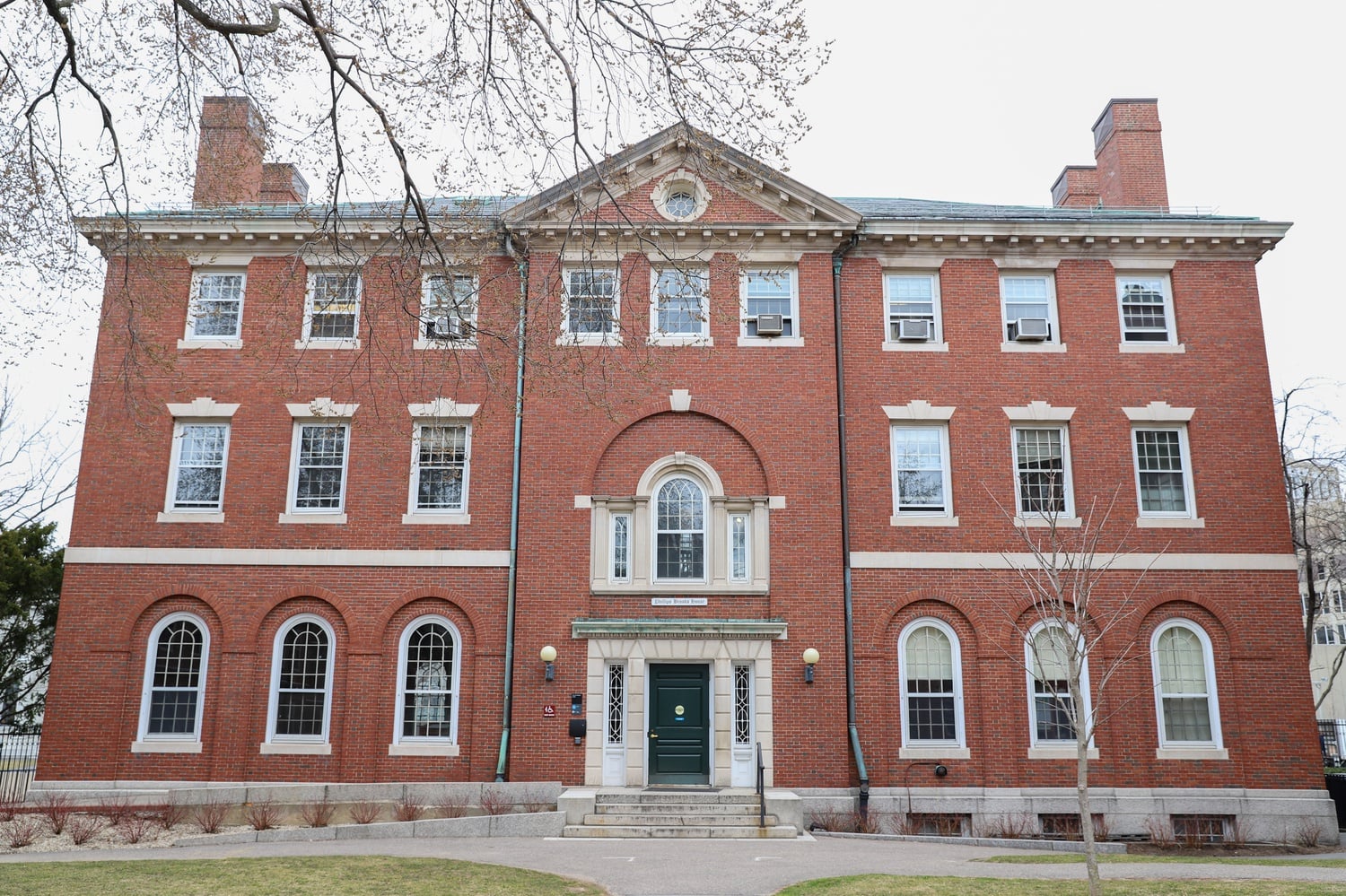
The Phillips Brooks House Association raised more than $150,000 at its 23rd annual auction Friday night, meeting its goal for the Summer Urban Program, which operates five-week day camps for roughly 700 low-income children in Boston and Cambridge.
The auction is among the program’s largest fundraisers, though it only covers a portion of the approximately $2.2 million annual cost of running the camps. PBHA Executive Director Maria Dominguez Gray said the program spends about $3,000 per student each summer while charging families $150 for the full five weeks.
“A lot of summer programs in Boston and Cambridge cost like $1,000 a week,” Dominguez Gray said. “We charge only $150 for the summer, the whole summer, and no child is ever turned away for inability to pay.”
SUP runs a network of day camps across Boston and Cambridge neighborhoods, such as Chinatown and Dorchester. Most of the funding for SUP goes toward stipends to support college students that help lead the program, according to Dominguez Gray.
Dominguez Gray said part of SUP’s budget comes from alumni donations and grants. She added that student organizers play a central role in securing funding each year.
“I think sometimes people think that Harvard pays for the Summer Urban Program, and we do get some support, but the students have to raise the money every year,” Dominguez Gray said.
Several undergraduate staff members said the auction also serves as a reunion for current and former participants. Saadi El-Saadi ’26, a PBHA director who has worked with SUP since his freshman year, said long-term relationships with campers have kept him involved.
Get The Crimson in your inbox.
“The community of people is really what brings me back,” El-Saadi said. “Seeing the group of kids that I worked with since my freshman year, and seeing them grow and develop as young leaders, has been really touching for me.”
Natasha Kulviwat ’28, a summer science director for SUP, said program costs extend beyond staffing — including transportation, field trips, and classroom supplies. She added that many campers remain involved with SUP over multiple years.
“We also have two different types of counselors, junior counselors as well as senior counselors,” Kulviwat said. “Kids do join the camp as campers, and they love it so much, they stay in the community as junior counselors, senior counselors, so they just come back.”
Dominguez Gray described the progression as a leadership pipeline, noting that former participants often return in staff roles. She pointed to the student who organized this year’s auction — a former teen counselor who later attended Harvard and will return to work for SUP this summer — as an example.
Manuel Fernández Mollinedo ’28, a PBHA officer who helped organize the fundraiser and worked at SUP last summer, said the program shaped how he thought about the resources available to Harvard students.
“Harvard has such a privilege in which we are able to have enough money to do something,” Fernández said. “I come from a place in which there was no money to do anything, to volunteer.”
He described SUP as demanding but impactful.
“SUP is hard, but it’s worth it,” he added. “We always say that it’s the hardest summer of your life that you will ever love.”
Want to keep up with breaking news? Subscribe to our email newsletter
Have a tip for The Crimson? Share it confidentially