‘Under Water’ Review: Compelling and Scenic Meditation on Climate Change and Trauma
4.5 Stars
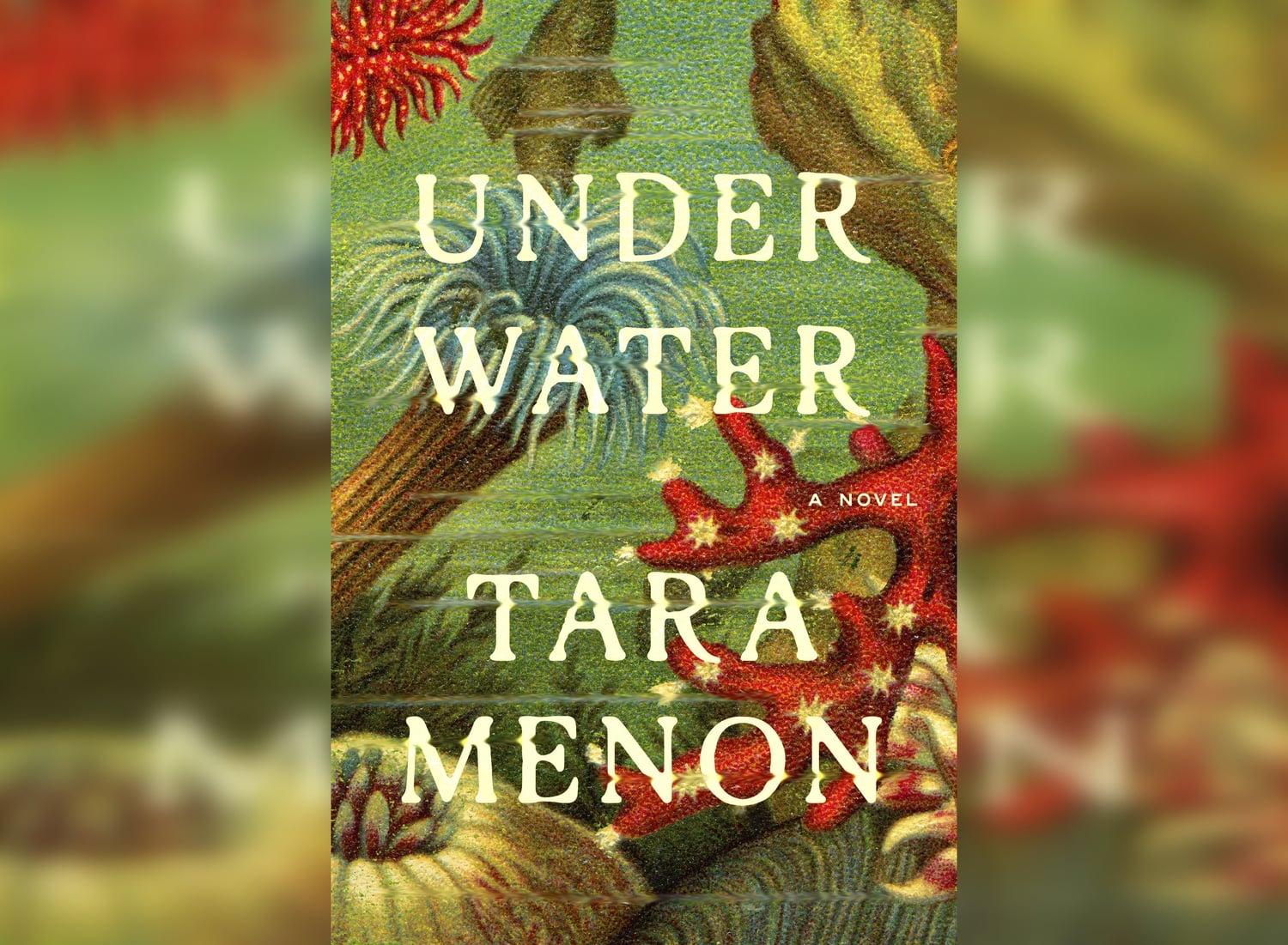
Some humans — like marine biologists and fishermen — feel an incessant attraction to the sea. In her debut novel, English Assistant Professor Tara Menon tells the story of two such aquaphiles, using descriptions of the natural world and an interesting narrative structure to accentuate the protagonist’s grief and help readers empathize with her.
“Under Water” follows protagonist Marissa as she reflects on the grief at having lost her best friend, Arielle, in a tsunami in Phuket, Thailand in 2004. Chapters alternate between Marissa’s life in New York City in 2012 and her memories from her childhood in Thailand. As New York City prepares for Hurricane Sandy in 2012, Marissa remembers the days surrounding the tsunami that hit Phuket in 2004, and she makes the decision to return to Thailand.
Menon’s descriptions create intermixed, violently juxtaposed visions of a beautiful natural world and the catastrophe which befalls it, serving as a brilliant embodiment of Marissa’s emotions. When Marissa recalls happy times with Arielle, they are followed in subsequent chapters by reminders of Arielle’s death. Similarly, readers encounter magical landscapes in Thailand along with their devastation, conversely mirroring the grief that Marissa feels about the loss of her friend.
Because of Menon’s inclusion of Marissa’s memories of her time in Thailand, readers gain a profound appreciation of the wonders of nature. Through Marissa’s point of view, Menon gives intricate details about the environment. Animals like fish, dugongs, and manta rays are given ample illustration.
Manta rays in particular are paid special attention. One learns of the gestation, wingspan, lifespans, and intelligence of these creatures. They are given varying names, from Anna K., Flo-Jo, Lily, Isabel, and Serena to Lizzie. By centering Marissa’s life in Thailand around her father’s manta ray research, Menon fosters deep appreciation and care for these animals.
Marissa’s job writing captions to accompany photographs for a travel magazine is another way that Menon elucidates the beauty of nature. Marissa uses encapsulating adjectives like “crystalline,” “pristine,” and “spellbinding” to imbue the nature of beaches around the world. This poignant portrayal of nature makes the gripping tsunami and its aftermath — which brutally disfigures the picturesque beaches in Phuket — all the more tragic. As Marissa mourns Arielle, she also mourns their life on those beaches.
The structure of the novel contributes to the theme of memory. Marissa remembers Arielle wherever she goes, and her internal narration demonstrates this. When in a gourmet supermarket in New York, Marissa notices the fish counter, and is reminded of how she and Arielle used to venerate the fish. Paragraphs then begin to alternate between Marissa’s memories of the aftermath of the tsunami and her narration of what she is experiencing in real time. Realistic and moving, the passage highlights how Marissa becomes engrossed in recollections even as she takes in the real world around her. She is never free from her grief.
Similar passages throughout the book remind readers of Marissa’s trauma. Marissa’s frequent nightmares about the tsunami and Arielle’s death create a recurring pattern of struggling for recovery. Readers grieve along with Marissa, as various chapters are preceded with a narration of a nightmare. Menon skillfully combines the natural disaster of the tsunami with grief over the death of Arielle, reinforcing the connection between natural devastation and human loss.
Menon’s novel creates a gorgeous and entrancing atmosphere. The friendship between Arielle and Marissa is enviable, deep, and richly described. In her grief, Marissa brings readers on an absorbing emotional journey. By depicting the loss of both the ecosystem of Thailand and Arielle, Menon exhibits the unbreakable connection between humans and the outdoors.
– Staff writer Canela Tustin can be reached at [email protected].
Want to keep up with breaking news? Subscribe to our email newsletter
Have a tip for The Crimson? Share it confidentially