The Harvard Mismanagement Company
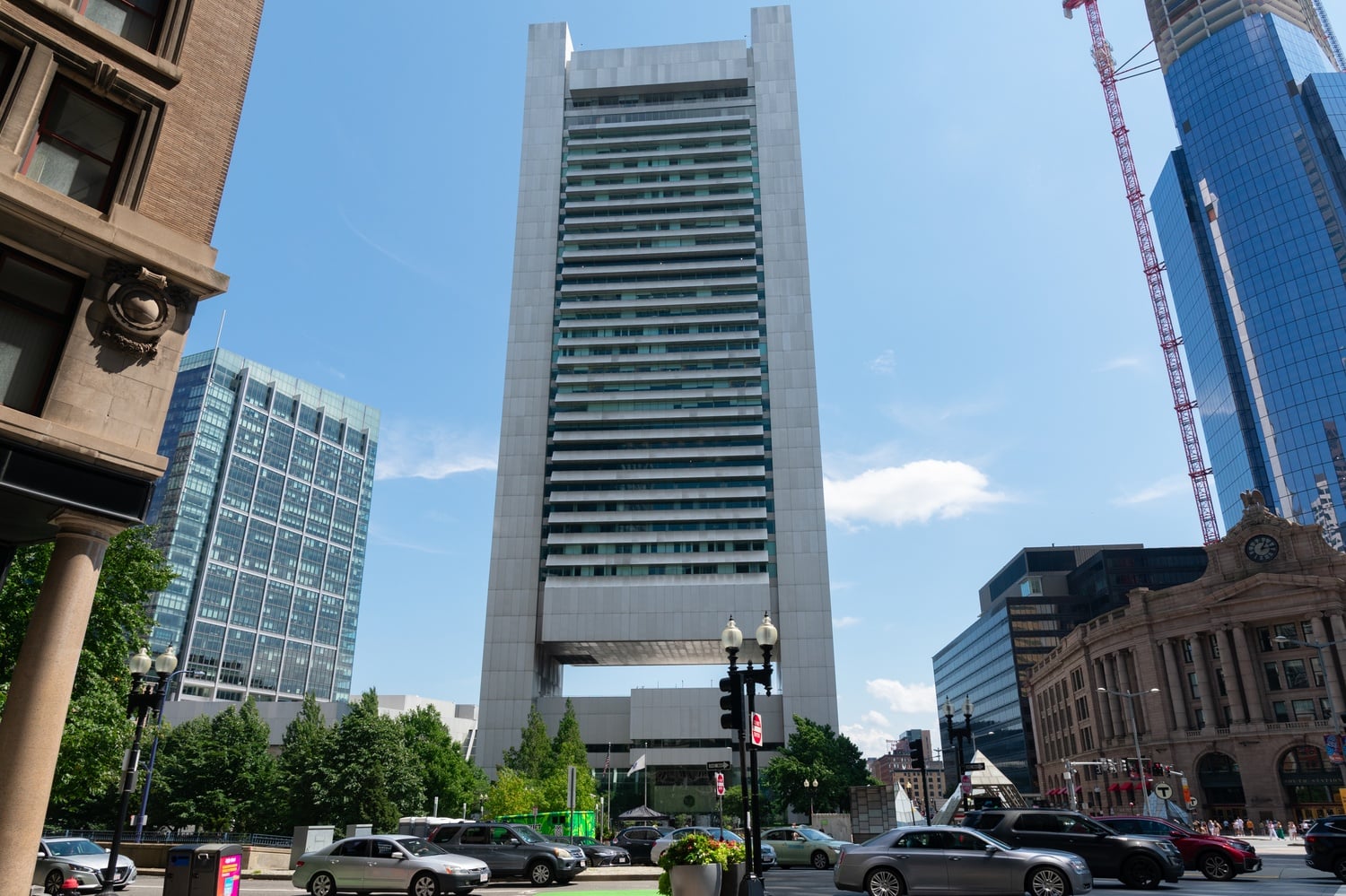
Valued at a whopping $56.9 billion, the Harvard endowment has been the subject of much scrutiny in recent years. It doesn’t take many meals in Annenberg before you start to wonder where all that money goes.
The answer seems simple: Much of Harvard’s endowment is tied up in long term restricted funds that cannot be readily converted into cash so that future generations may reap the benefits and the University can avoid going bankrupt, giving the average student no choice but to choke down dry chicken and pray their tuition outperforms the S&P 500.
I would argue that there’s a different explanation: The steward of Harvard’s money, the enigmatic Harvard Management Company, is not good at its job and has actively harmed the University’s finances through mismanagement.
As a fiduciary of Harvard’s endowment, HMC is required to uphold the following commitments: supporting the trustee’s mission (i.e. delivering strong returns on investments), adequately managing risk, and limiting conflicts of interest. It may seem, given Harvard’s prodigious wealth, that the HMC can afford to slack a little on these requirements. But at a time when federal research cuts have placed the University under severe financial strain, it’s time they stepped up.
Dipping into the endowment to make up the shortfall is a complex process. Under Massachusetts law, only a slim portion of a donor restricted endowment fund can be spent annually. As such, healthy growth of the endowment is a necessary part of ensuring that Harvard has the option to access more money over time.
But Harvard’s returns have lagged behind peer institutions for years. Former University President Lawrence H. Summers estimated the cost of the endowment’s underperformance over the past two decades compared to schools like MIT and Stanford “in the range of $20 billion” — more than a third of its current value. It’s only within the past few years, after HMC outsourced 90 percent of the endowment to external managers, that Harvard began outperforming other Ivy League schools.
HMC’s risk management is also questionable. Harvard was hit significantly harder by the 2008 market crash than other universities, seemingly due to HMC overinvesting in risky assets.
Amid all this turmoil and often in spite of declining returns, HMC executives received exorbitant salaries, as high as $35 million in some years. Although salaries are much lower now, mismanagement appears to continue.
For a more recent example of HMC exposing the endowment to unnecessary financial vulnerability, take its largest publicly reported holding: a $2.2 billion dollar gamble on the notoriously risky SpaceX, a company that lost nearly $5 billion in 2025. Or its $442.90 million bet on Bitcoin last year, which fell over 20 percent in the quarter following HMC’s investment. High-risk stock can certainly be a robust part of a diversified portfolio, but putting almost 4 percent of Harvard’s total endowment in a company with a singular profitable business unit is questionable at best and downright stupid at worst.
But perhaps the best example of HMC’s monetary mismanagement is its apparent habit of ignoring possible conflicts of interest by making ill-fated investments in the funds of its former employees. Fund managers at HMC can, and often do, leave the company to become what’s known as a “crimson puppy,” starting new firms supported by hundreds of millions of dollars in Harvard money. In 2004, manager Jeffrey Larson left to do just that, leaving HMC without a foreign equities overseer. The fund collapsed just three years later, and Harvard lost $350 million. Since then, at least five more similar ventures have shut down, including Convexity Capital, founded by former HMC head Jack Meyer.
HMC has been decently profitable in recent years, but whether its current strategy can last is unclear. Experts are skeptical that assets like private equity and hedge funds will be able to continue generating the same strong returns in the future.
Furthermore, Republicans in Congress have already suggested Harvard may be overstating finances, citing concerns about the uncertain nature of private equity-fund valuations, which are difficult to verify independently. If their fears are warranted, Harvard could face financial dire consequences. Trump’s eight percent endowment tax is already expected to cost the University over $200 million dollars annually. Harvard simply cannot afford to pay taxes on money it does not have.
If that weren’t enough, HMC is also set for another large shake-up — Chief Executive Officer N.P. “Narv” Narvekar is planning to retire as early as the end of 2027. Whether or not the endowment’s tenuous growth will continue after his exit is yet to be determined.
One thing, however, is certain: Until HMC ceases to operate with the practices that have plagued it for decades, long-term stability will remain a far-off dream.
Khadija T. Khan ’28, a Crimson Editorial editor, is a double concentrator in Philosophy and Astrophysics in Currier House.
Want to keep up with breaking news? Subscribe to our email newsletter
Have a tip for The Crimson? Share it confidentially