Retrospection

What’s at the Heart of Central Square?
Though Central Square can be described as being in constant motion due to economic shifts and new residential waves, the Square has managed to celebrate, remember, and preserve elements of its past.

The Art of Appeasing the River Gods
Three decades after Harvardians first conducted a ritual sacrifice to avoid being Quadded, what do the River Gods want now?
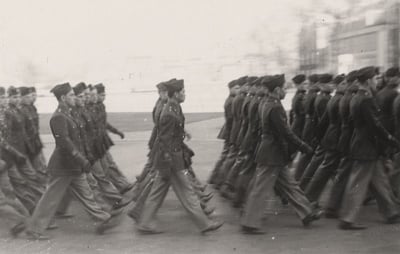
Harvard During World War II: A War Archivist’s Story of the University’s Bygone Era
Charged with documenting Harvard during World War II, Sterling Dow conducted laboratory visits, interviewed researchers, corresponded with faculty who had served in the war, and compiled extensive records detailing shifts in University policy and programming.
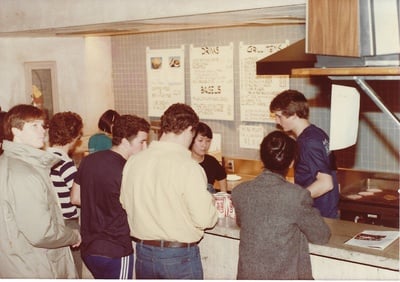
Do Harvardians Dream of Quincy Grille?
The history of Quincy Grille is rife with lively (and, at times, illicit) tales of late nights, greasy burgers, and community bonding. Today, following a series of controversies, the student-run, late-night refuge has reopened. Can it live up to its storied past?

To Q or not to Q?
Tracing the history of Harvard course evaluations — from The Crimson’s early Confidential Guide of College Courses (the “Confi”) to the Committee on Undergraduate Education (CUE) guide, to its current form, the Q guide — may help us understand what role student feedback can and should play now.
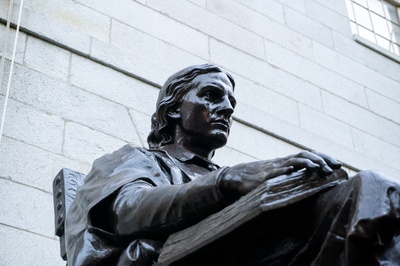
Making John Harvard
The John Harvard sat placidly outside Memorial Hall, in what would now be part of the Science Center Plaza, for 40 years. Only in 1924 — after a years-long campaign involving the statue’s sculptor Daniel C. French — was the monument moved to its present watch place in Harvard Yard.
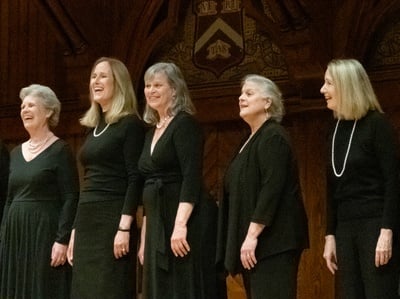
Radcliffe Pitches Alumni
On Sunday, women from the founding class of the Radcliffe Pitches joined several decades of singers and the current Pitches cohort for a performance of sisterly kinship.
A Legacy of Song
According to the Pitches’ memory books, the founders wanted to create a space for themselves in an otherwise “male-oriented” campus. Fifty years later, the group continues to uphold its original mission of — literally — uplifting women’s voices.

Women, Powered by Persistence
Through determined advocacy and organizing, Women Employed at Harvard fought for fair hiring practices on Harvard's campus.
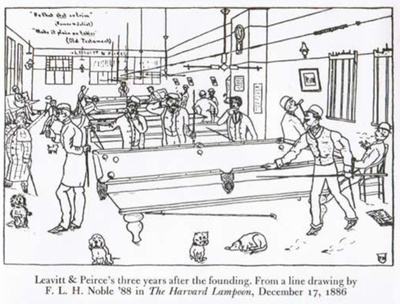
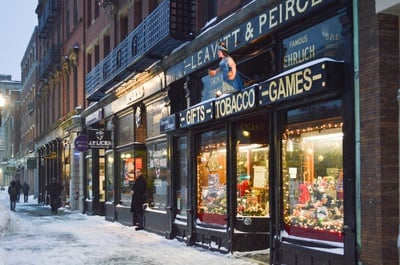
Peering Through the Smoke of Time at Leavitt & Peirce
Leavitt & Peirce has been selling cologne, chess sets, and the gentleman’s indulgence since 1883. But the original owners of the store engineered it to become a quasi-social club for Harvardians in the late 1800s and early 1900s. And a social club it did become.
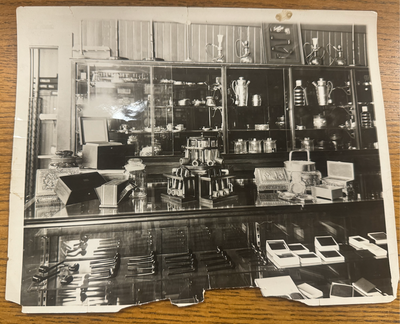
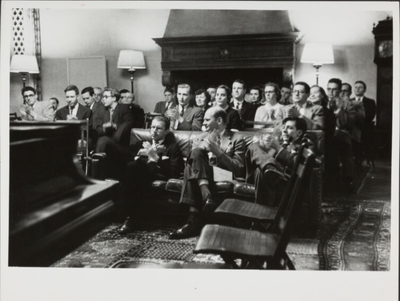
Harvard’s Hallowed Halloween
Today, one might spend Halloweekend partying it out at Currier’s Heaven & Hell or The Crimson’s own Crimween. But a century earlier, Halloween at Harvard was a more refined affair.
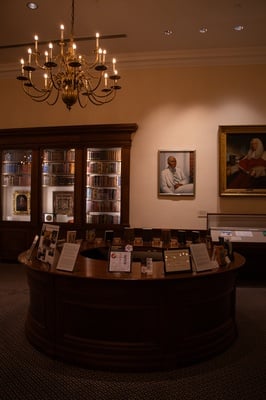
A Desk and ‘Dalliance with the Nazis’
While Roscoe Pound is often remembered for pioneering sociological jurisprudence, his time as dean contains a much more concerning legacy.
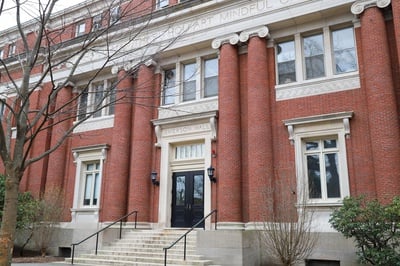
Rationality and Religion at The Social Ethics Museum
Many of the museum collections showcased mass suffering and hardship. However, Peabody hoped that the museum would elicit sympathy rather than pity, and lead students towards a moral life centered around helping the less fortunate.
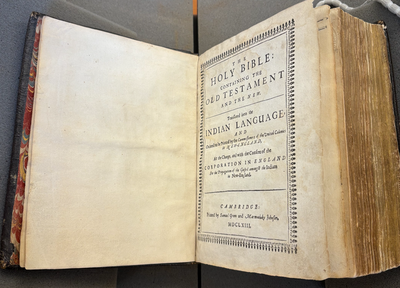
“No Fear or Danger of Their Forgetting it:” Revitalizing Wôpanâak from John Eliot’s Bible
Deep in the basement of Harvard’s Indian College, John Eliot worked for 14 years to translate and print the Bible. Completed in 1663, Eliot’s Bible was written in Wôpanâak, the language of local Native American tribes.
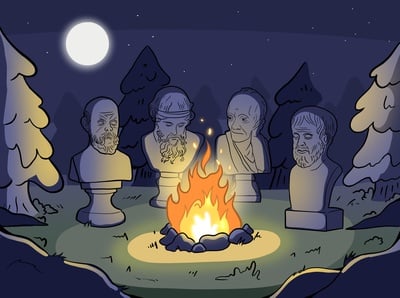
‘But A Dream’: The Story of the Philosophers’ Camp
“I have never seen civilization at so high a level, in some respects, as here — and I have never seen society on the whole so good, as I used to meet at the Saturday Club,” Lowell wrote of their exploits.
Eliot Bible
The Eliot Bible, written in Wôpanâak, the language of local Native American tribes, was originally written to Christianize Indigenous people. Now, it is playing a role in Native language survival.
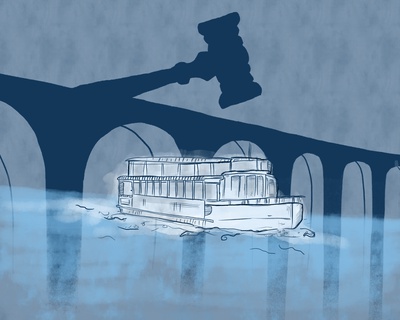
Burning Bridges: How the Charles River Changed Economic Law
The Court’s ruling set a precedent that still has implications for economic progress and market competition today. The law still struggles with the question of what it means to value technological progress over the livelihood of one company.
Most Read Articles
- 2
- 3
- 4
- 5
OUR LATEST PRINT EDITION
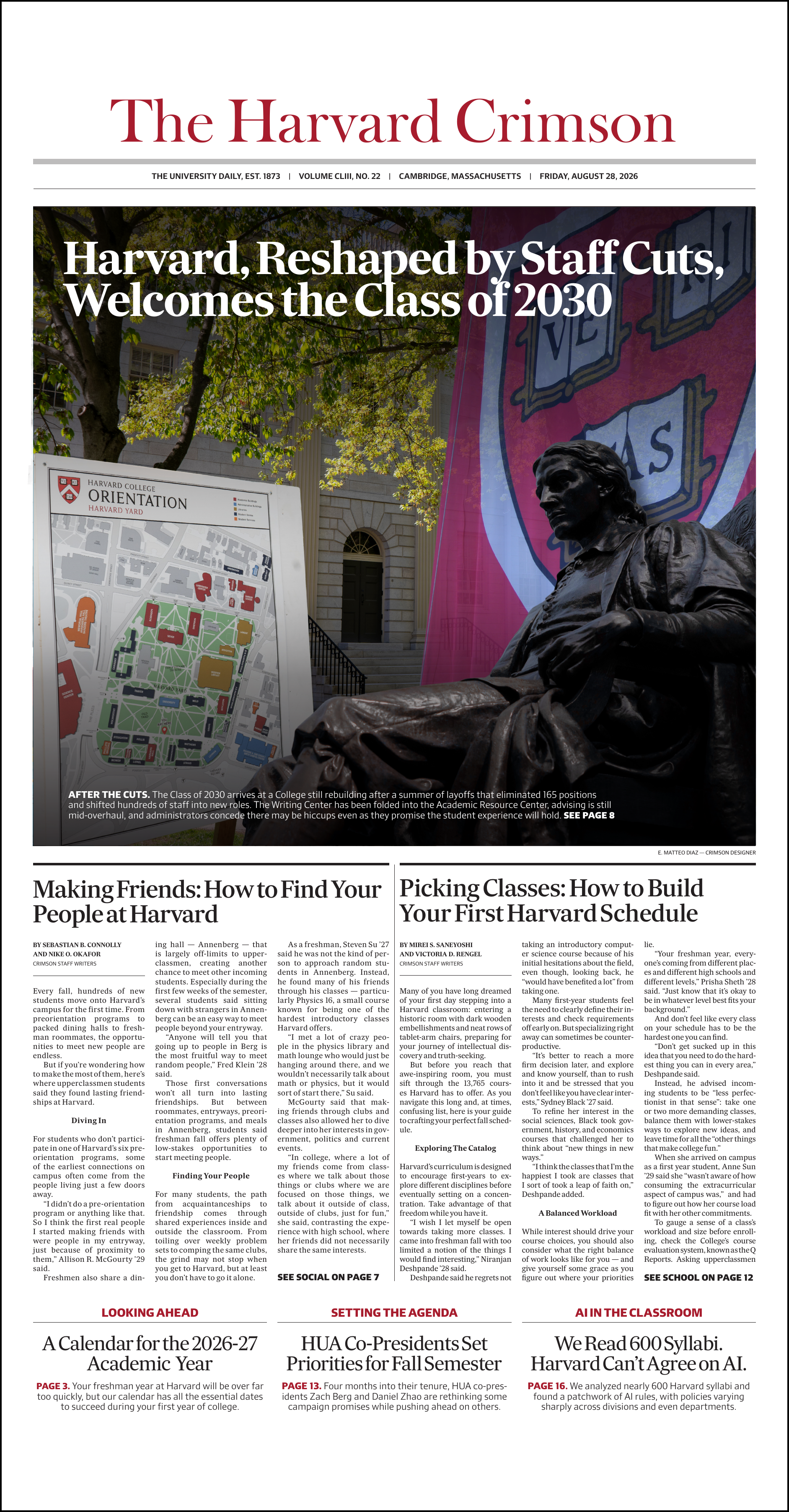
Fresh off the press every Friday, with special issues throughout the year. Want a copy? Find one near you. Want it delivered to your doorstep? Sign up.
The Harvard Crimson
Original reporting and exclusive scoops from Harvard and Cambridge — delivered straight to your inbox. Subscribe today.